Breaking the silence on intensive animal farming
Silence is consent. It is time to open our eyes to the systemic cruelty behind our food and understand the true cost of what we eat.
The fairytale the industry sells us
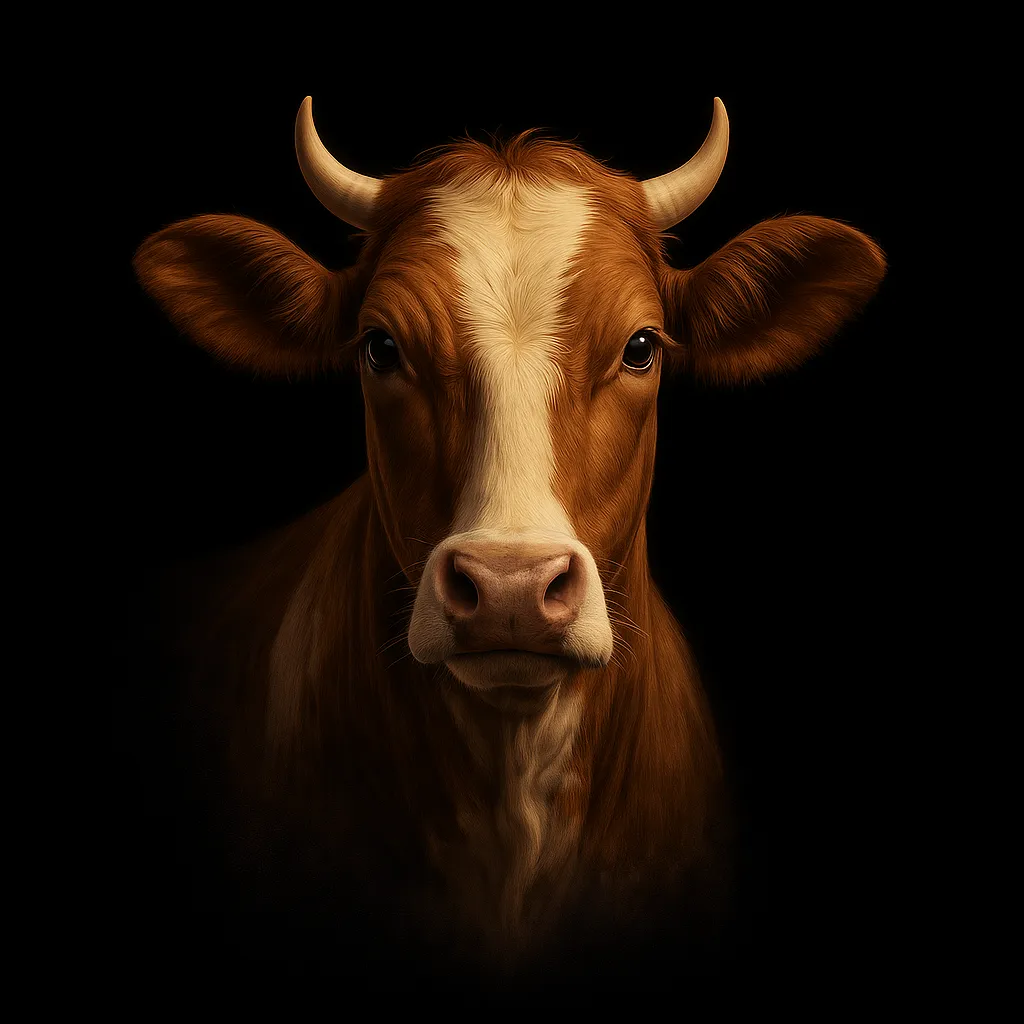
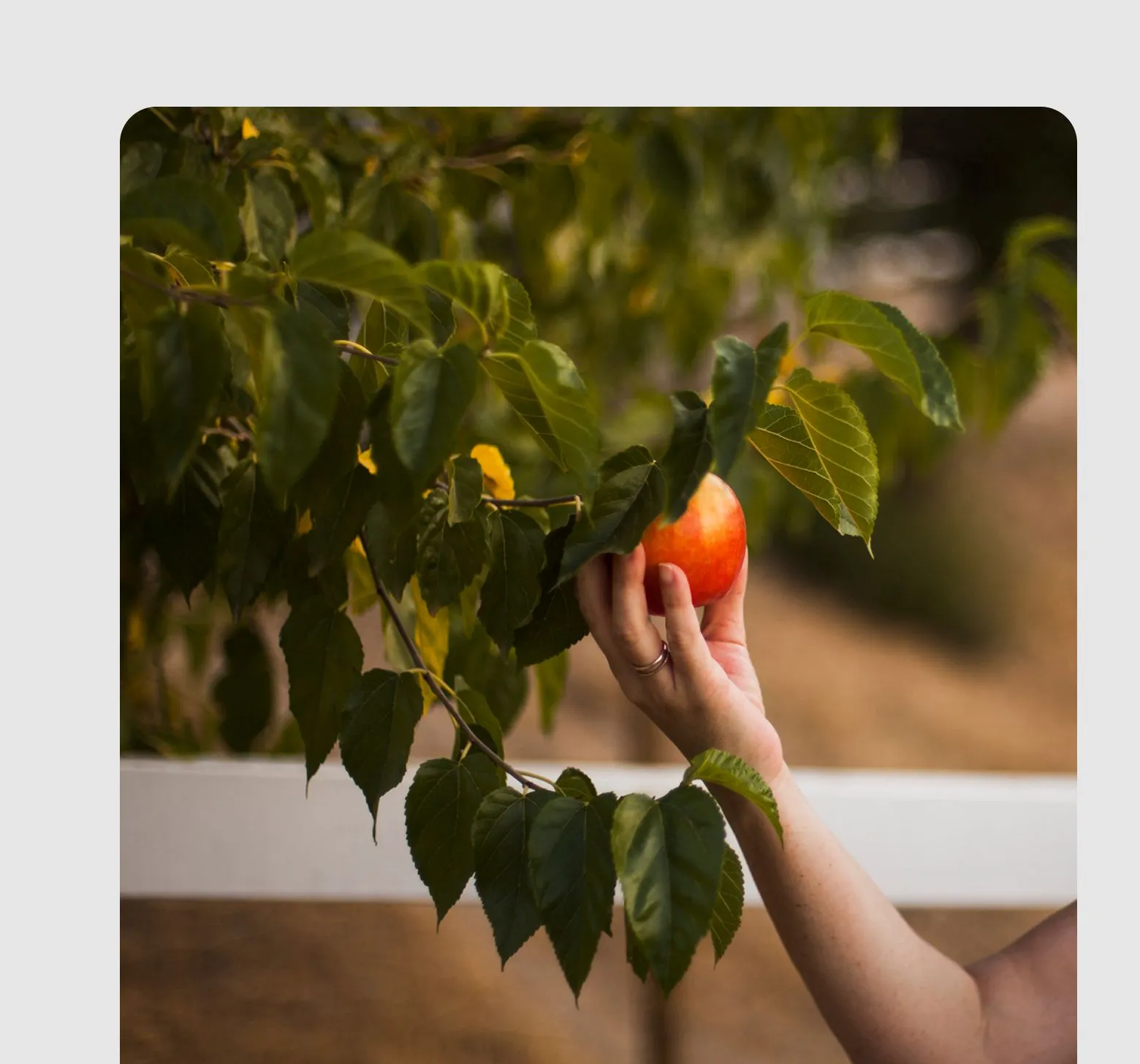
Green pastures, skipping lambs, and cows resting in the sun. This is the romanticized farm life we know from marketing and supermarket packaging. It is a comforting image we desperately want to believe. But as you watch this, ask yourself: is this a reflection of modern farming, or a carefully crafted illusion designed to keep us comfortable?
80bn
land animals are slaughtered for meat every year
60%
of all mammal life on Earth is livestock. Only 4% are wild animals.
18bn
animals die annually but are never eaten
Explore Core Issues & Solutions
Go beyond the supermarket labels. Explore the hidden realities of the animal industry, from systemic cruelty to environmental costs, and discover the sustainable alternatives that can change our world.
Why we rarely see how our food is really made
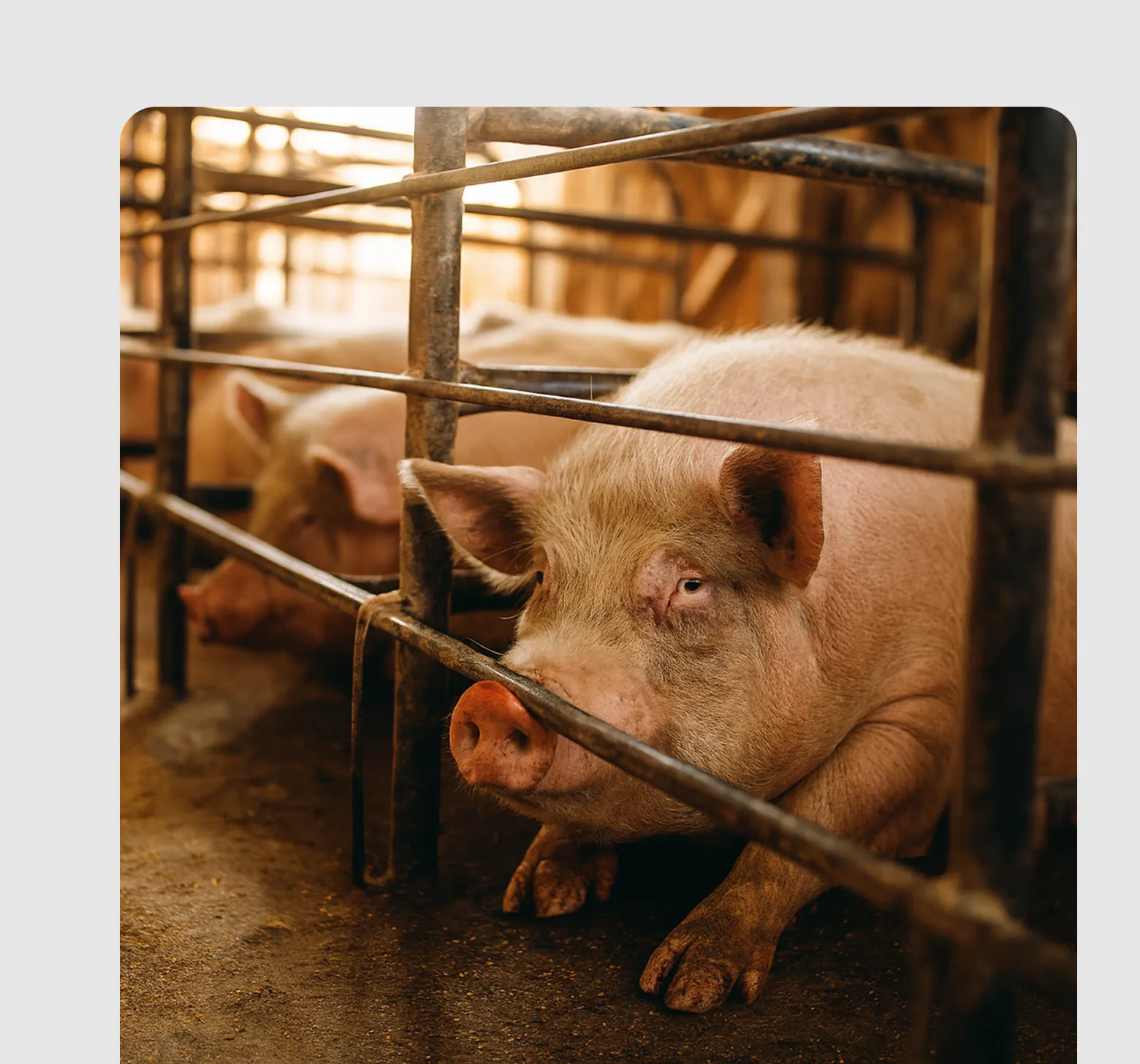
Most of us never see the realities behind today’s food production, and the system is built in a way that keeps it distant. Short-term incentives, efficiency targets and simplified public messaging create an image of farming that feels familiar but no longer reflects how it actually works. When the system stays out of sight, it becomes easier for it to continue unchanged.
A future towards sustainable agriculture
The good news? We already know what works. From regenerative farming to plant-based innovations, the shift away from industrial livestock is already happening. A food system built on compassion, resilience and transparency isn't a dream — it's a choice.
Latest Blog Post
Useful email newsletters for designers
- •
-
juli 13, 2024
Frequently Asked Questions:
-
What is intensive farming?
Intensive farming combines tightly controlled production systems with high stocking densities and optimised growth conditions. In animal agriculture, this typically involves indoor housing, automated feeding systems and genetically selected breeds. In crop farming, it often means monocultures, heavy fertiliser use and high machinery dependence. The main goal is efficiency, not ecological balance.
-
What is the meaning of intensive livestock production?
Intensive livestock production refers to a model in which animals are kept in concentrated indoor facilities where feeding, breeding and growth are optimised through technology and standardised routines. The goal is to produce as much meat, milk or eggs as possible using minimal time, labour and space. This approach differs from extensive or pasture-based farming, where animals roam freely and grow at a more natural pace.
-
Why is intensive animal farming bad?
Intensive animal farming becomes problematic when production is maximised at the expense of animal welfare, environmental health and long-term sustainability. Animals are typically kept in confined spaces with little natural stimulation, which increases stress, disease pressure and the need for antibiotics. At the same time, large volumes of manure, emissions (like methane and ammonia) and resource use place a heavy burden on surrounding ecosystems and the climate.
-
What are the effects of intensive farming?
The effects of intensive farming are wide-ranging. While it increases productivity, it also produces large quantities of waste that can contaminate soil and water. High stocking densities elevate disease risks, which encourages routine antibiotic use. On a broader scale, intensive farming contributes to climate change through methane and nitrous oxide emissions, and reduces biodiversity by converting land into single-purpose agricultural zones.
-
How is factory farming bad for the environment?
Factory farming impacts the environment in several interconnected ways. Livestock emit methane, a potent greenhouse gas, while manure releases ammonia and nitrous oxide. Large, centralised facilities generate more waste than surrounding land can absorb, leading to water contamination. Producing feed for millions of animals requires vast amounts of land, fertiliser and water, which accelerates deforestation and degrades ecosystems. Combined, these pressures make factory farming a major driver of environmental decline.
The Silent Barns Monthly Update
While the barns remain silent, we speak out. Be the first to access new revelations, interviews, and hopeful stories every month.